The story behind the slides
A little story about a very real problem.
An illustrated short, written from this case study. Independent, self-initiated concept. Not commissioned, approved or affiliated with UNESCO. Modelled figures are marked. Illustrations, narration and music were made with AI tools; every fact comes from the case study below.
Read the transcript
The craft that built the Taj Mahal earns less than the guides who point at it.
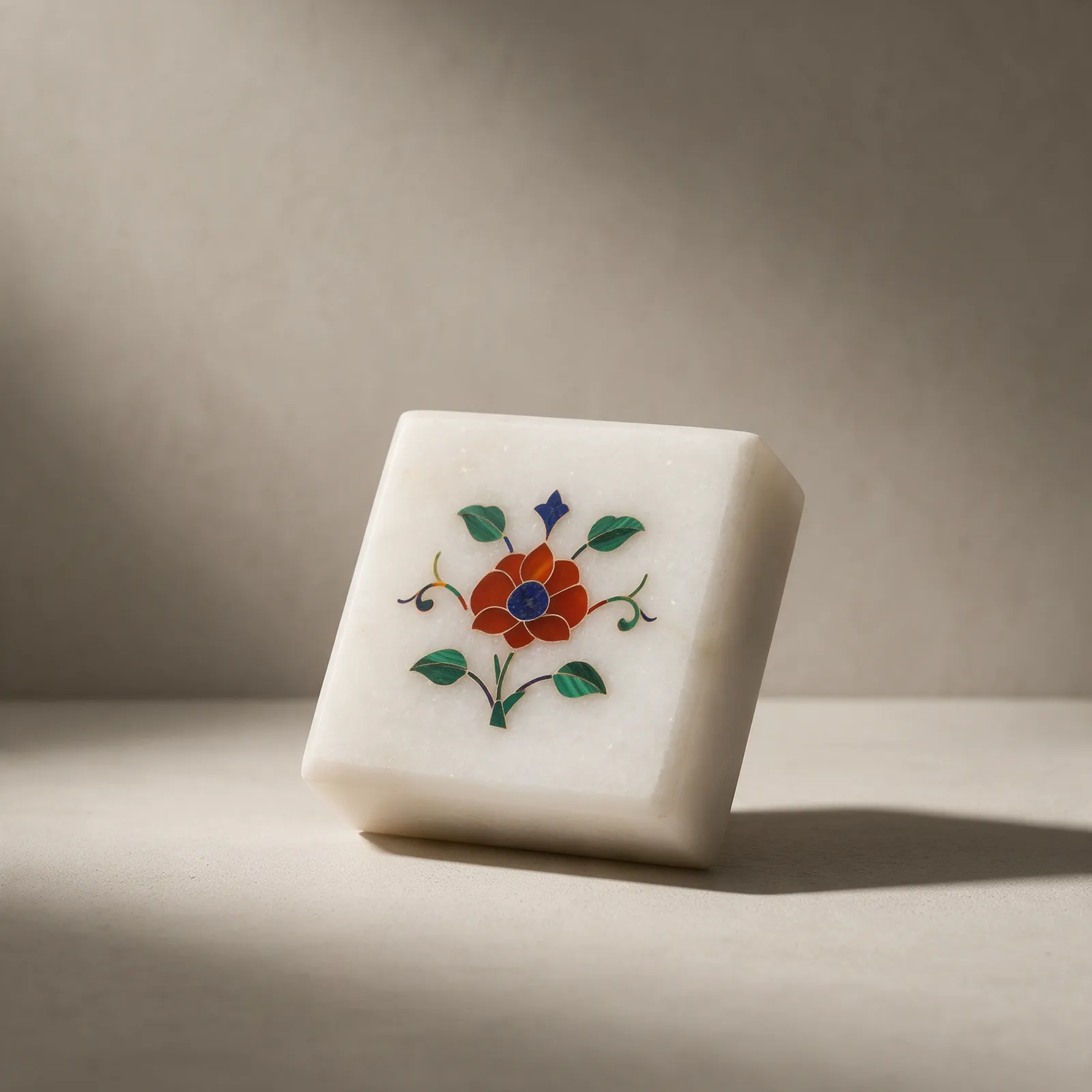
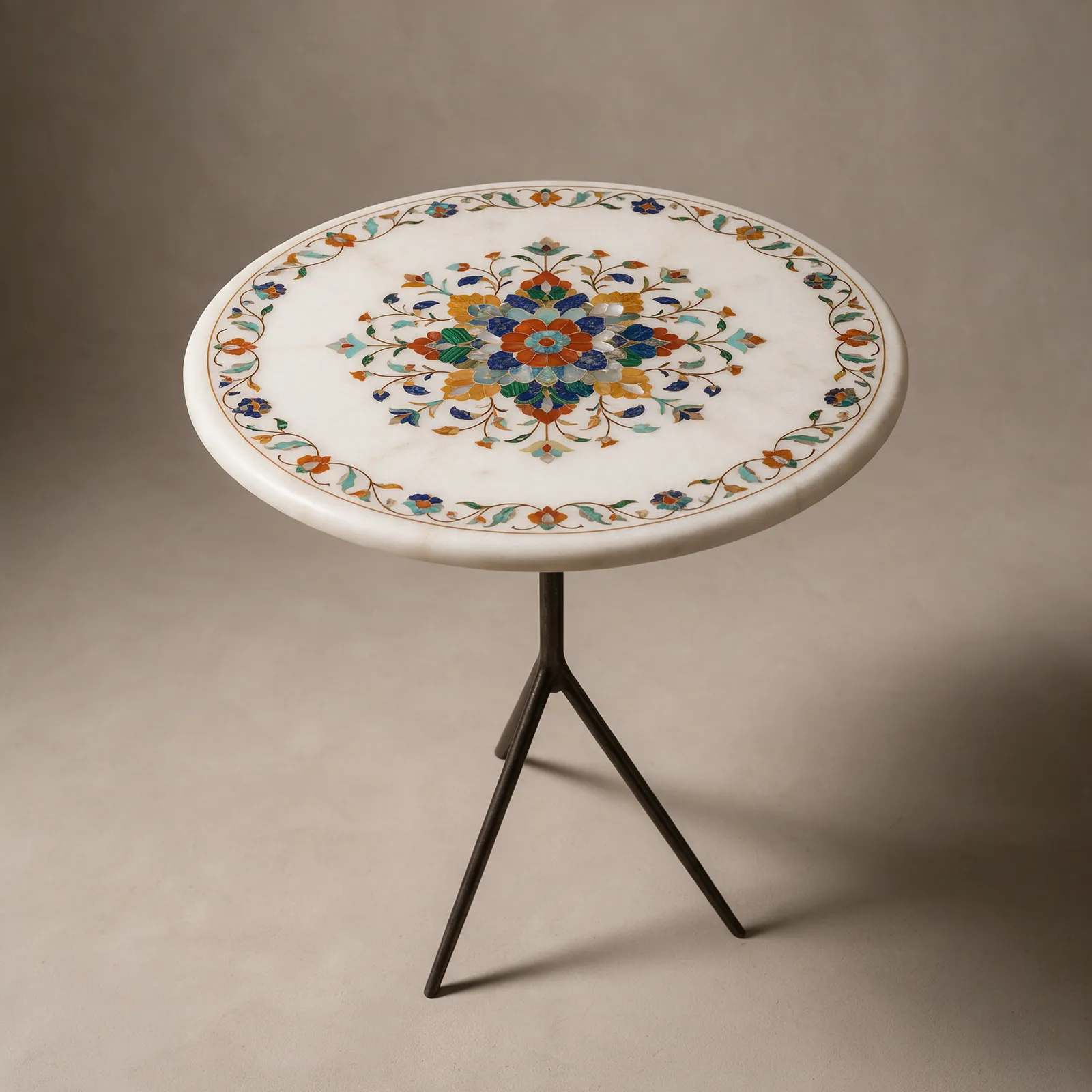
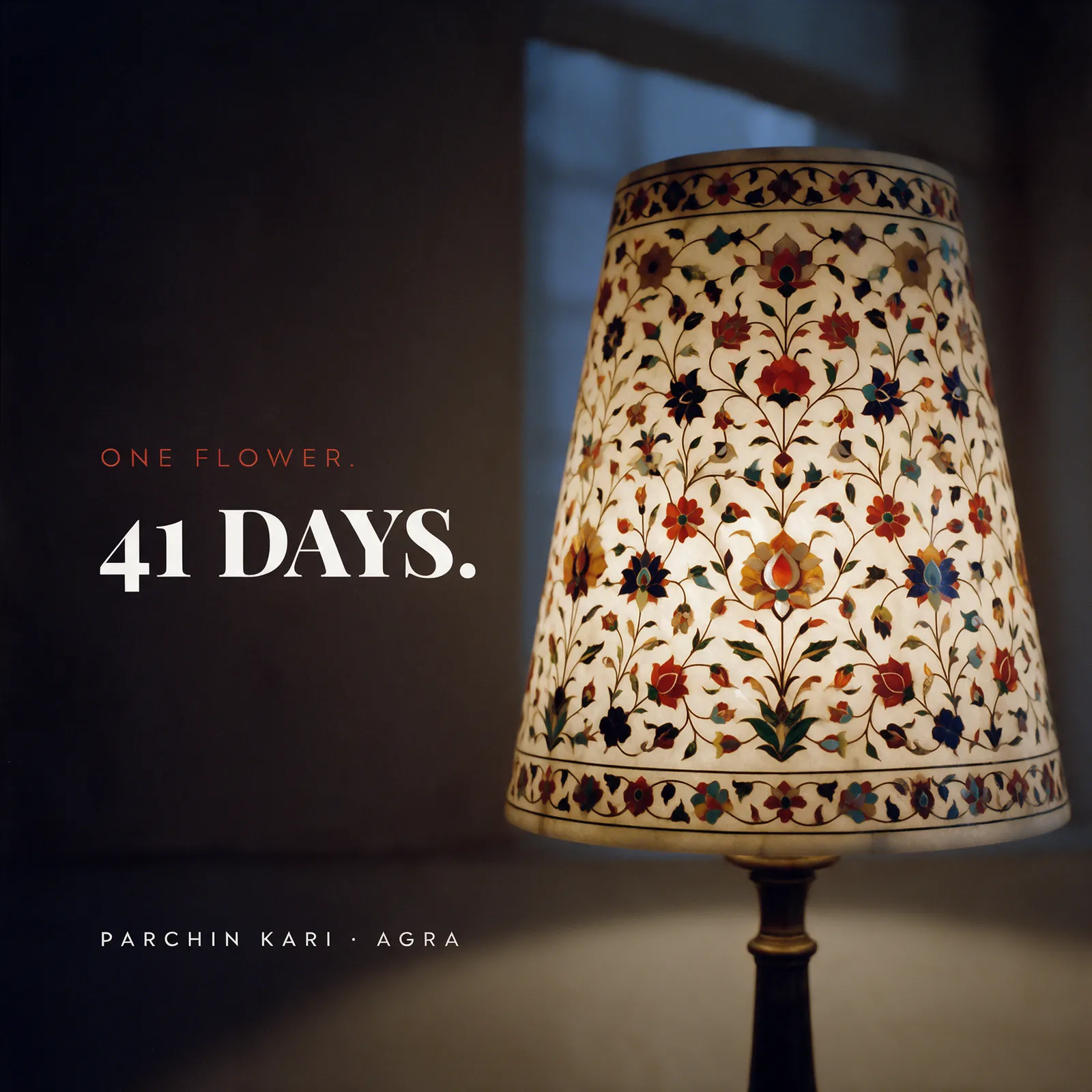
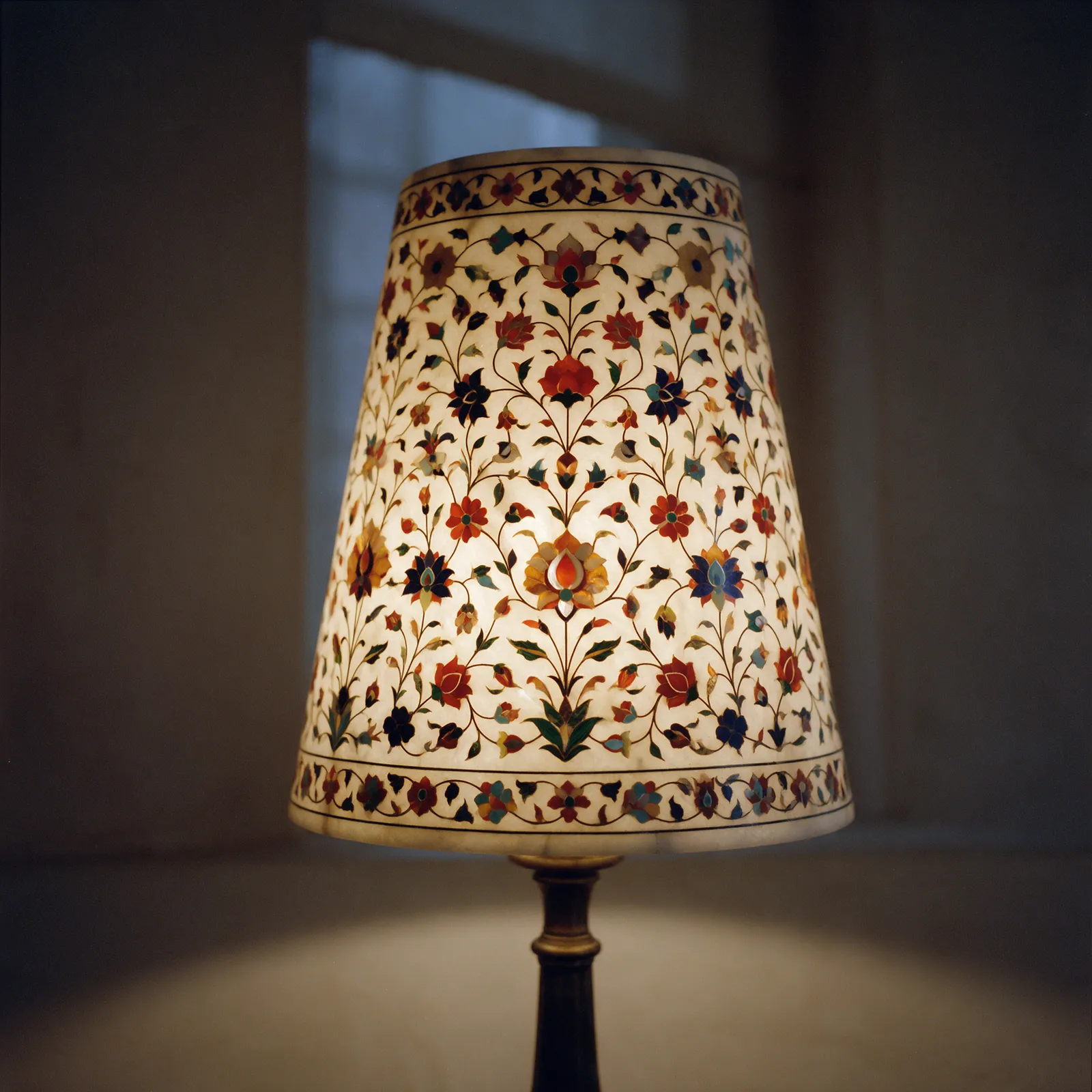
It's called Parchin Kari. Stone, cut by hand and set into marble so flush you can run a finger across a flower and feel nothing.
It survives in Taj Ganj, a few hundred metres from the Taj. Income depends on tourists. Younger people are moving away. And UNESCO found only fourteen percent of artisans sell online.
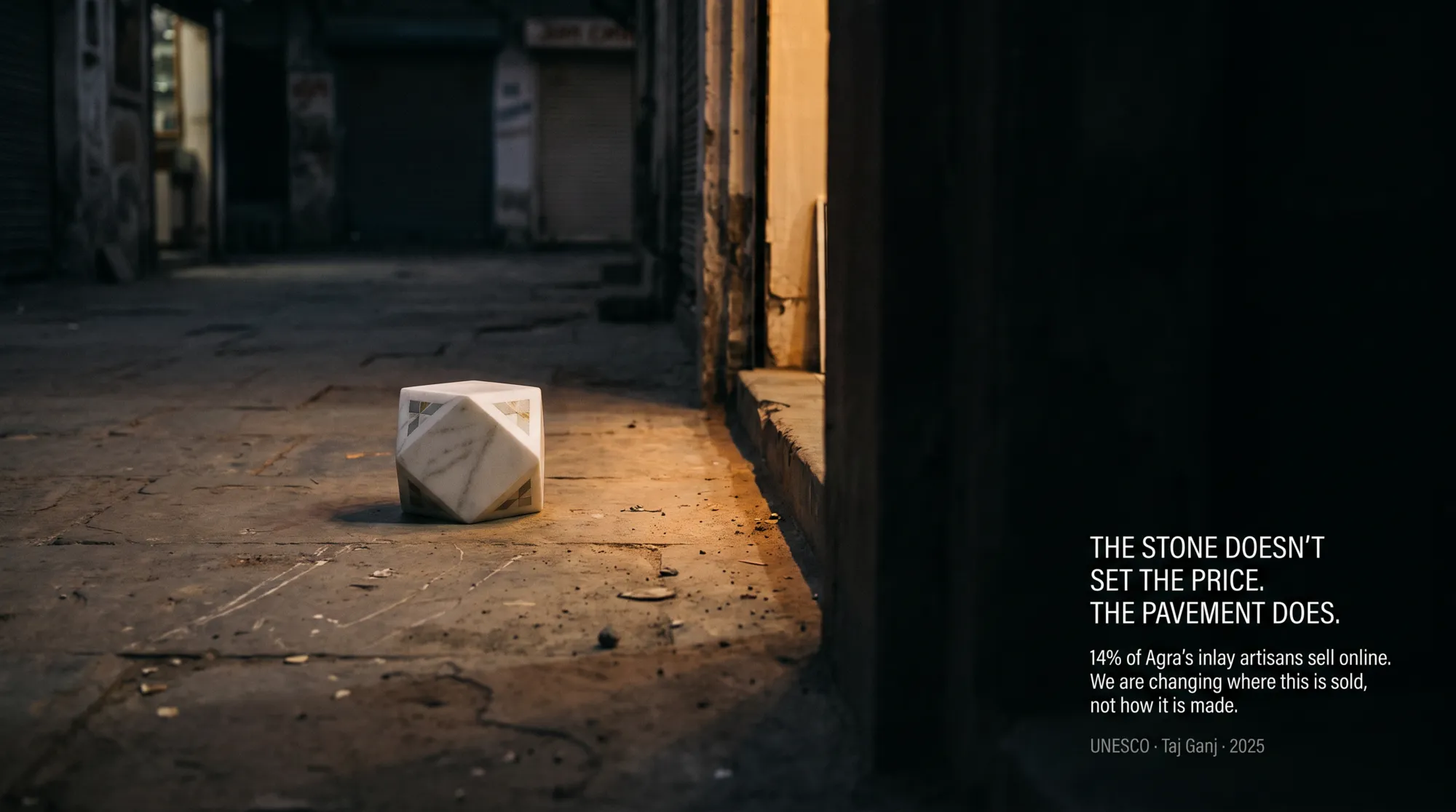
The technique isn't the problem. The channel is. Picture the gate: a hot day, a seller calling out, no maker's name, and a bargain both sides expect. The pavement sets the price, not the stone.
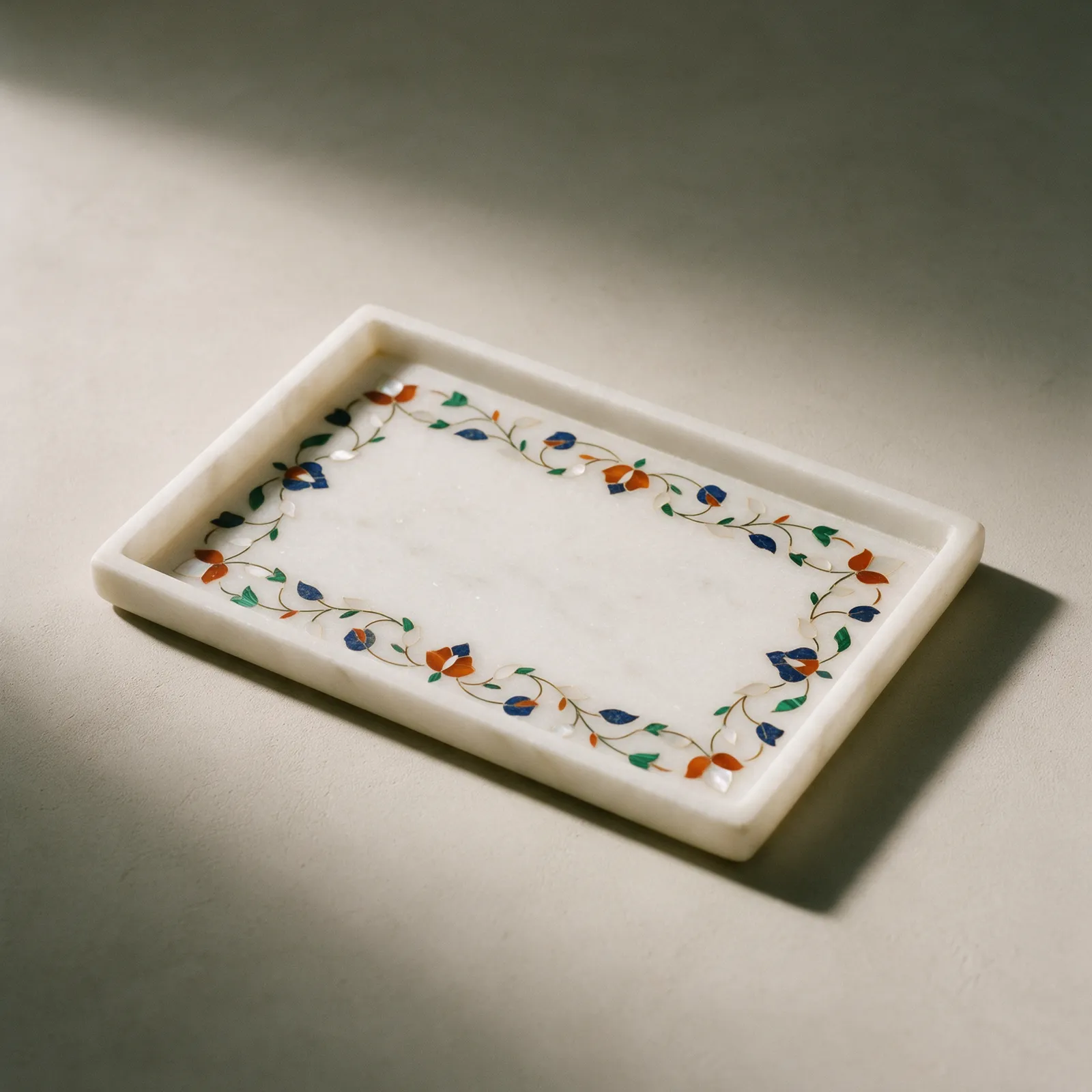
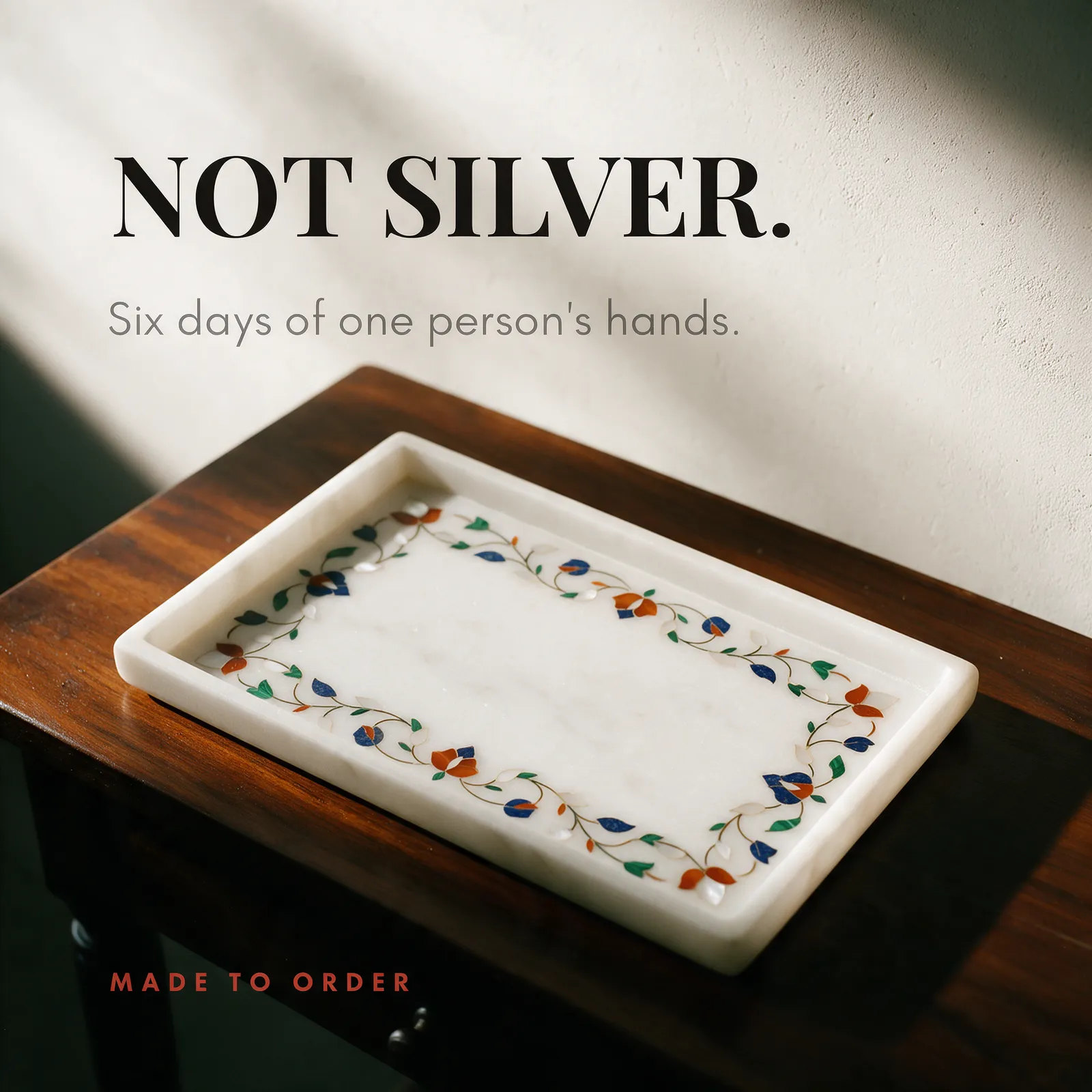
So I modelled a pair of coasters. About five days of hand work, and nine hundred rupees of stone and marble. At the gate, they go for four to nine hundred. The labour is effectively free. The artisan is subsidising the stone.
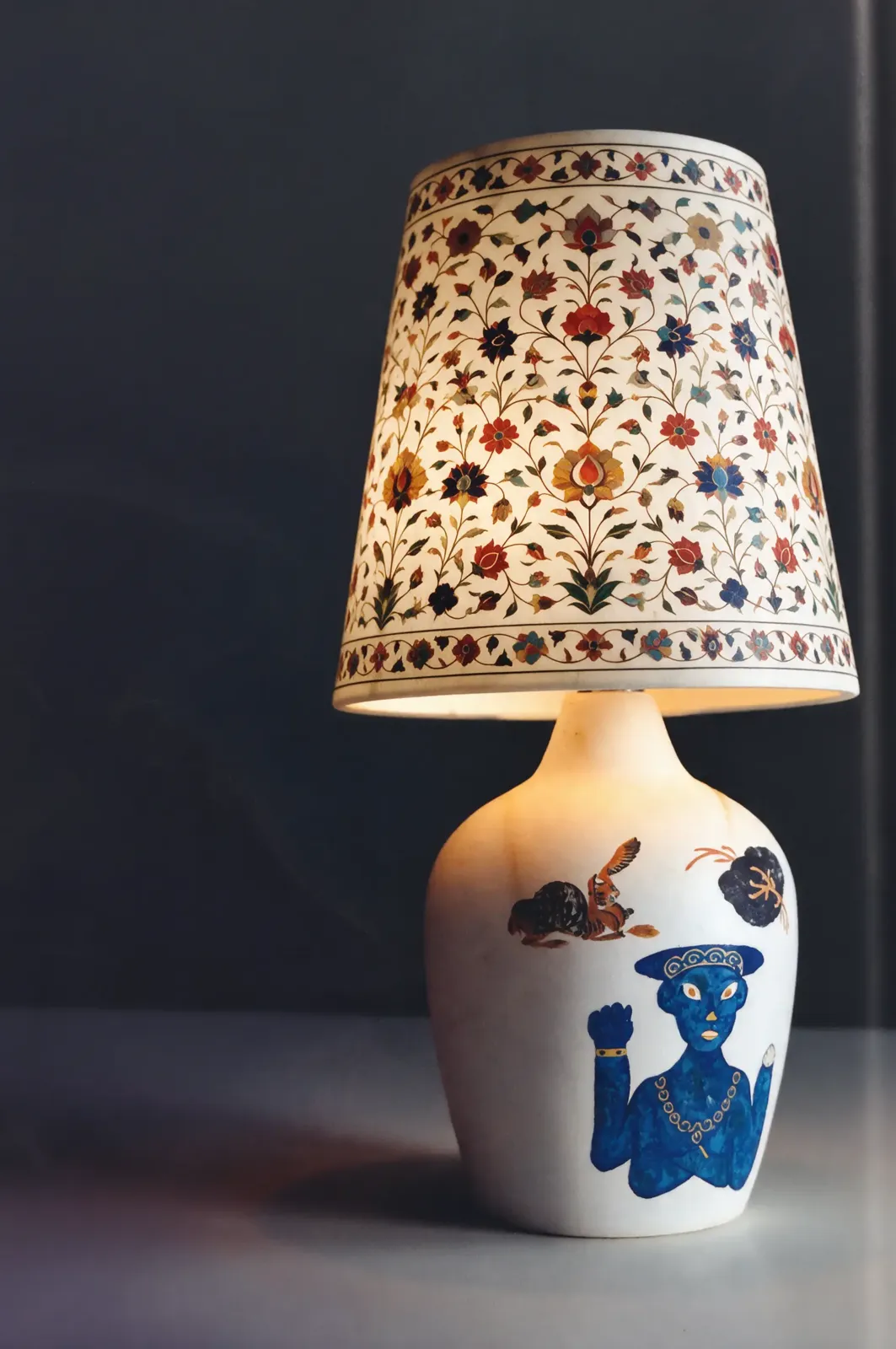
Then I found a clue. As a teenager, an artisan called Asif delivered a six-foot inlaid table to the ITC Mughal hotel in Agra. It sold almost immediately, for seven lakh eighty thousand rupees. Same craft. Same hands. A hotel instead of a pavement.
One sale isn't a market. But it's proof it can happen. Nobody haggles over a signature. Give a piece its maker's name, and buyers compare it to design, not souvenirs. So don't change the craft. Change where the value lives.
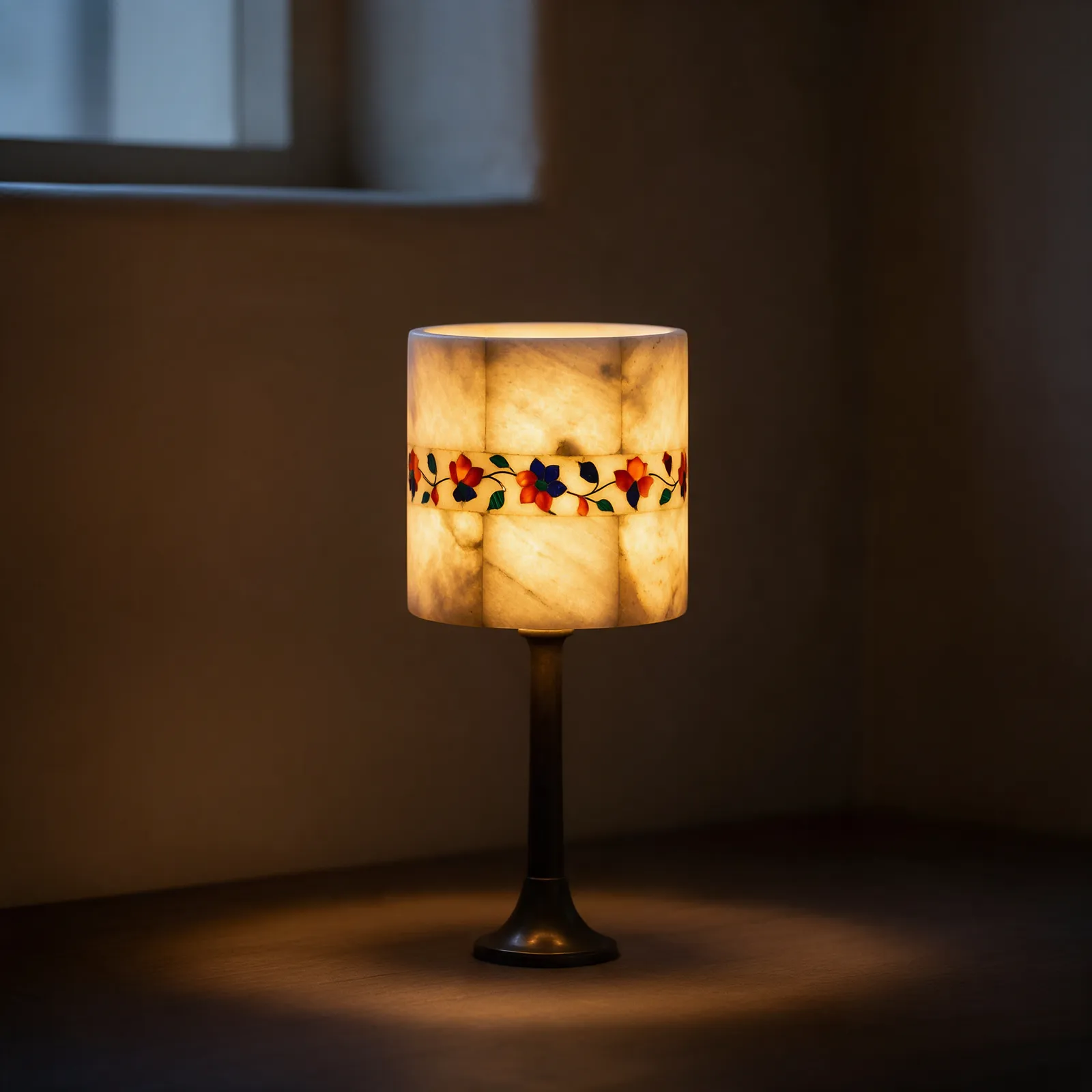
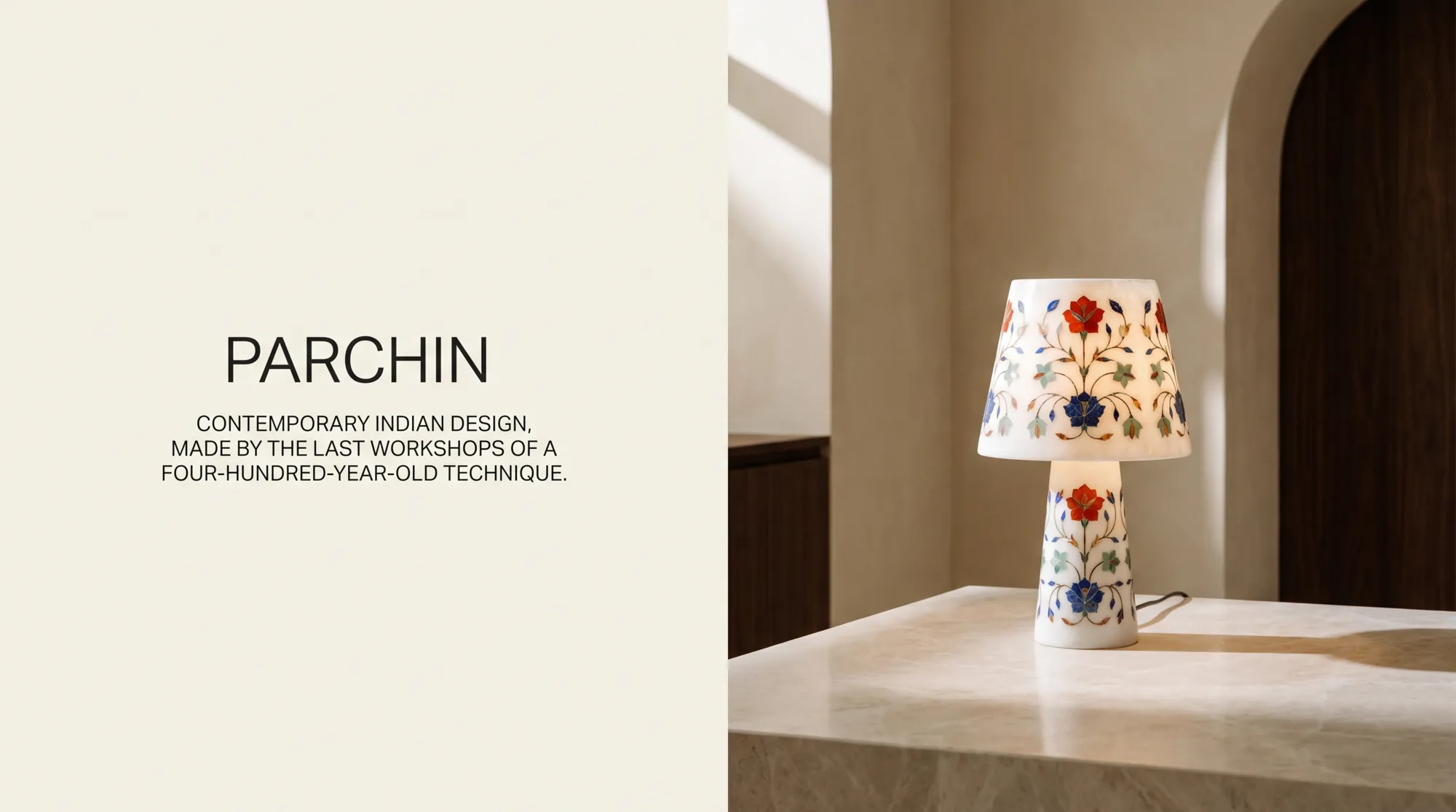
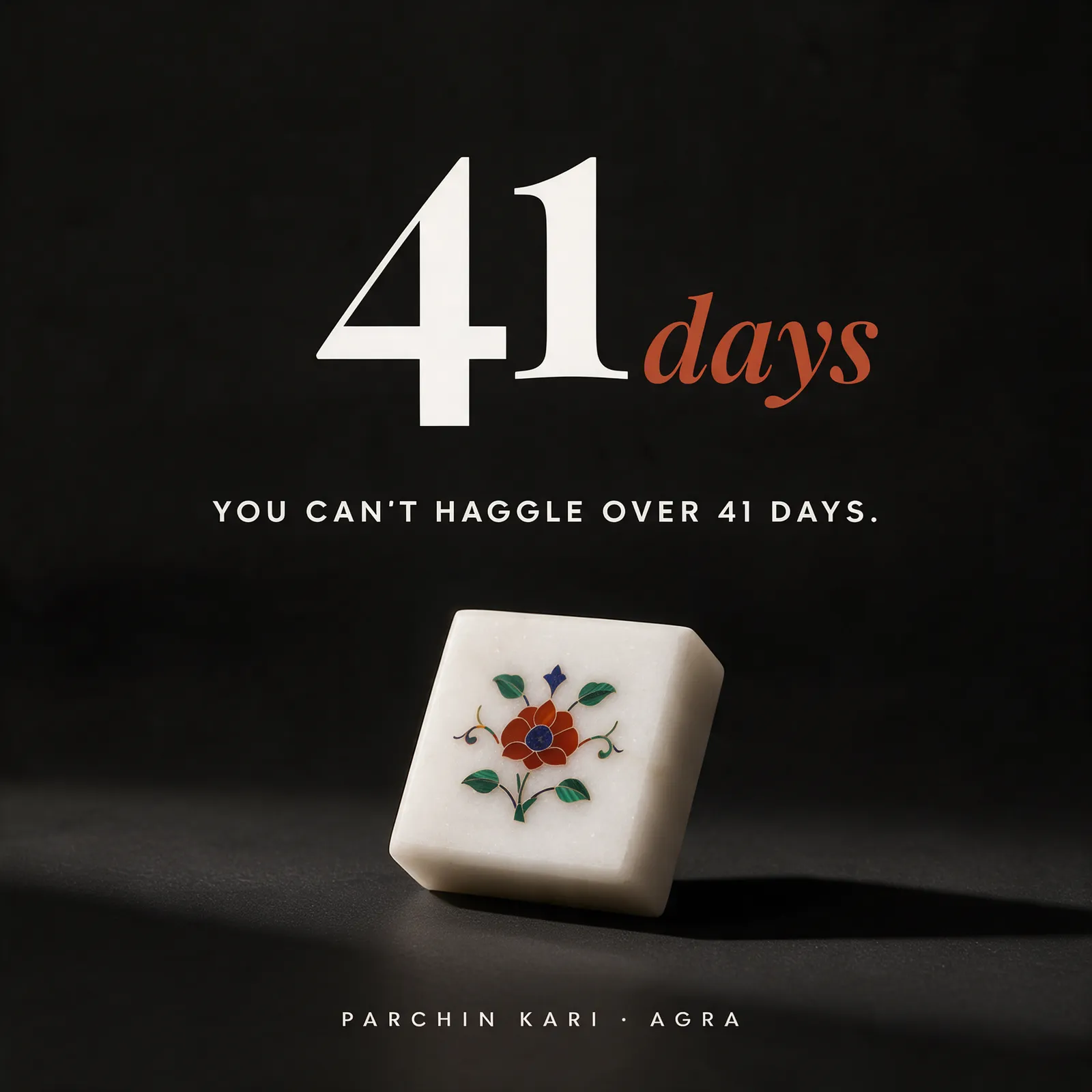
So I built a concept. My own, not a commission. It's called Parchin, the craft's own word. Every piece carries its maker's name and its working days. A price can be negotiated. A number of days can't.
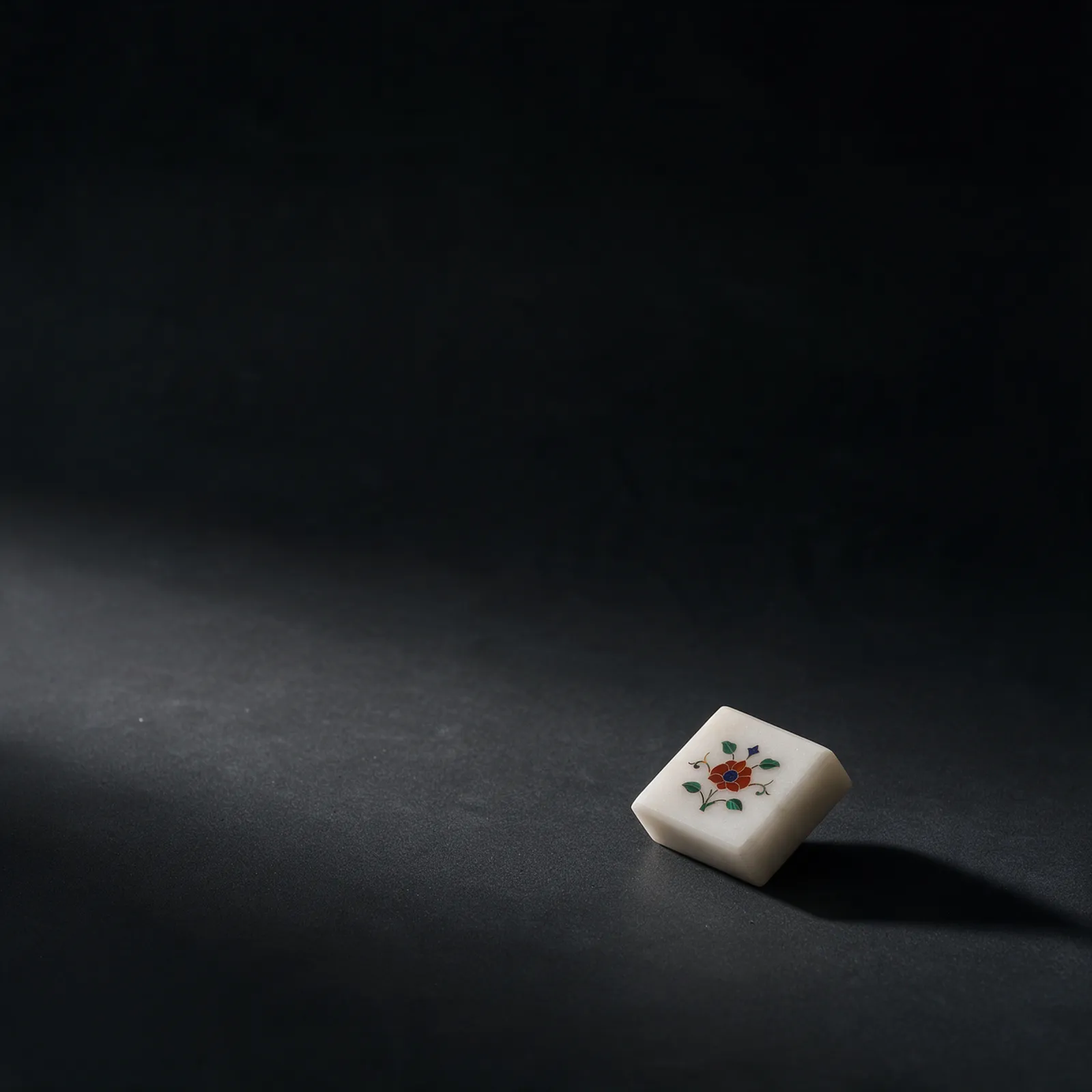
Then there's a test you can do with your eyes shut. Real inlay is flush. Resin and machine work leave a seam. Touch both, and you know. An educated buyer protects a craft better than a certificate does.
The model even cut our easiest product. Coasters take about five days of hand work, and on my numbers their price can fund less than one. So, no coasters. The bigger question I'm leaving open: would the money really reach the artisan? I'd rather leave that open than pretend I've solved it.